Understanding Why Heaters Struggle When Temperatures Drop
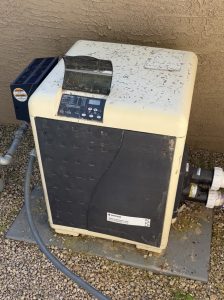
Heaters in Phoenix face a very specific challenge once winter arrives. Warm climates create an illusion that equipment has it easy, but the opposite is true. When nights cool down sharply, the temperature gap between the water and the desired set point increases. That gap is your heater’s thermal load, and if the system is even slightly out of calibration, performance drops fast. Homeowners who ask why their heater suddenly takes twice as long to warm the pool are really running into a mix of hydraulics, heat exchange limitations, and flow inconsistency. This is where pool heater repair in Phoenix becomes essential, because the failure points are predictable when you understand how these systems behave.
The Impact of Flow Rate and Circulation
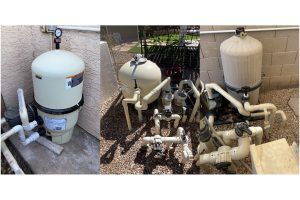
Every heater depends on a very specific flow window. Too slow, and the water overheats inside the exchanger, which triggers safety shutoffs. Too fast, and the heater cannot transfer enough heat before the water rushes through. Both issues show up constantly during colder months, especially if the pump is worn or if debris restricts the line. Some homeowners notice reduced heat output and immediately assume the heater is the problem, but technicians know that flow misalignment is responsible for a surprising percentage of service calls. This is why routine performance checks, including pool pump repair, prevent avoidable shutdowns and extend system life.
Scaling and Heat Exchanger Stress
Phoenix water carries high mineral content, and those minerals harden inside heat exchangers if the water chemistry is not controlled. The layer of scale acts like insulation, forcing the heater to work harder for weaker results. Minerals also promote corrosion in copper or cupro nickel exchangers when pH drifts out of range. This is where cleaning routines matter. Skilled technicians who provide swimming pool service and repair see these patterns every season. They know when scaling has begun simply by examining temperature rise, burner behavior, or uneven heating across the exchanger body.
Sensor Failure and Cold Weather
Heaters rely on multiple sensors: temperature sensors, pressure switches, high limits, and ignition monitors. All of these experience higher stress in winter because the system cycles more often. The ignition sequence alone becomes harder when cold air disrupts combustion stability. Even a small imbalance can create short cycling, delayed ignition, or complete shutdown. A full diagnostic often reveals that a heater is not broken; it is simply responding to conflicting sensor input that needs recalibration.
Why Preventive Maintenance Pays Off
When homeowners schedule inspections before or during winter, technicians catch imbalances early. A structured pool inspection identifies flow inconsistencies, scale buildup, failing sensors, and incorrect installation angles that place strain on components. Some systems also benefit from upgrading circulation components or verifying that swimming pool equipment installation was done correctly from the start. If the heater is fighting upstream issues, the most expensive part of the system absorbs all the stress and naturally becomes the first thing to fail.
Professional Insight Before Problems Grow
Targeted maintenance is considerably more cost-effective than emergency heating repairs. It protects the exchanger, reduces fuel or electrical consumption, and ensures stable performance throughout the winter season.
Keep Your Heater Running Strong
At AZ’s Best Pool Service & Repair, we diagnose heater performance with the precision that comes from years of field experience. We calibrate flow, clear scale, replace sensors, and correct structural issues so your system runs efficiently and safely all winter. If your heater is struggling or shutting down, we are ready to help you restore reliable performance with expert pool heater repair in Phoenix.
Reach out today and let our team bring your pool heating system back to optimal condition.